What is cao lầu? Hoi An's noodle, beyond the legend
Cao lầu is Hoi An's own noodle dish: thick, firm rice noodles with slices of xá xíu pork, fresh herbs, something crisp and a little sauce, not a broth.1 The noodle is only made in Hoi An. Here is how it is made, where it comes from, and how it differs from mì Quảng.
What is cao lầu?
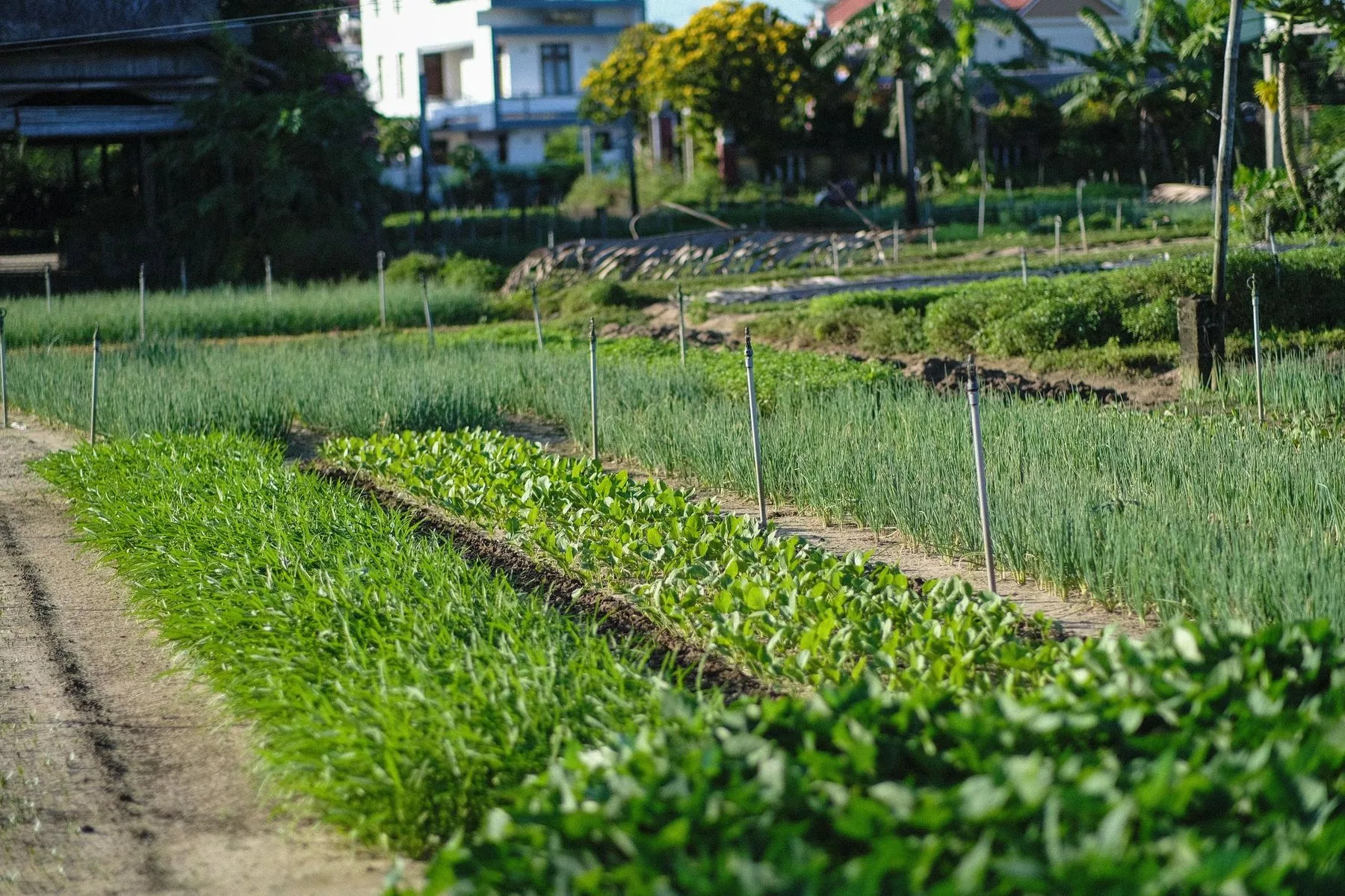
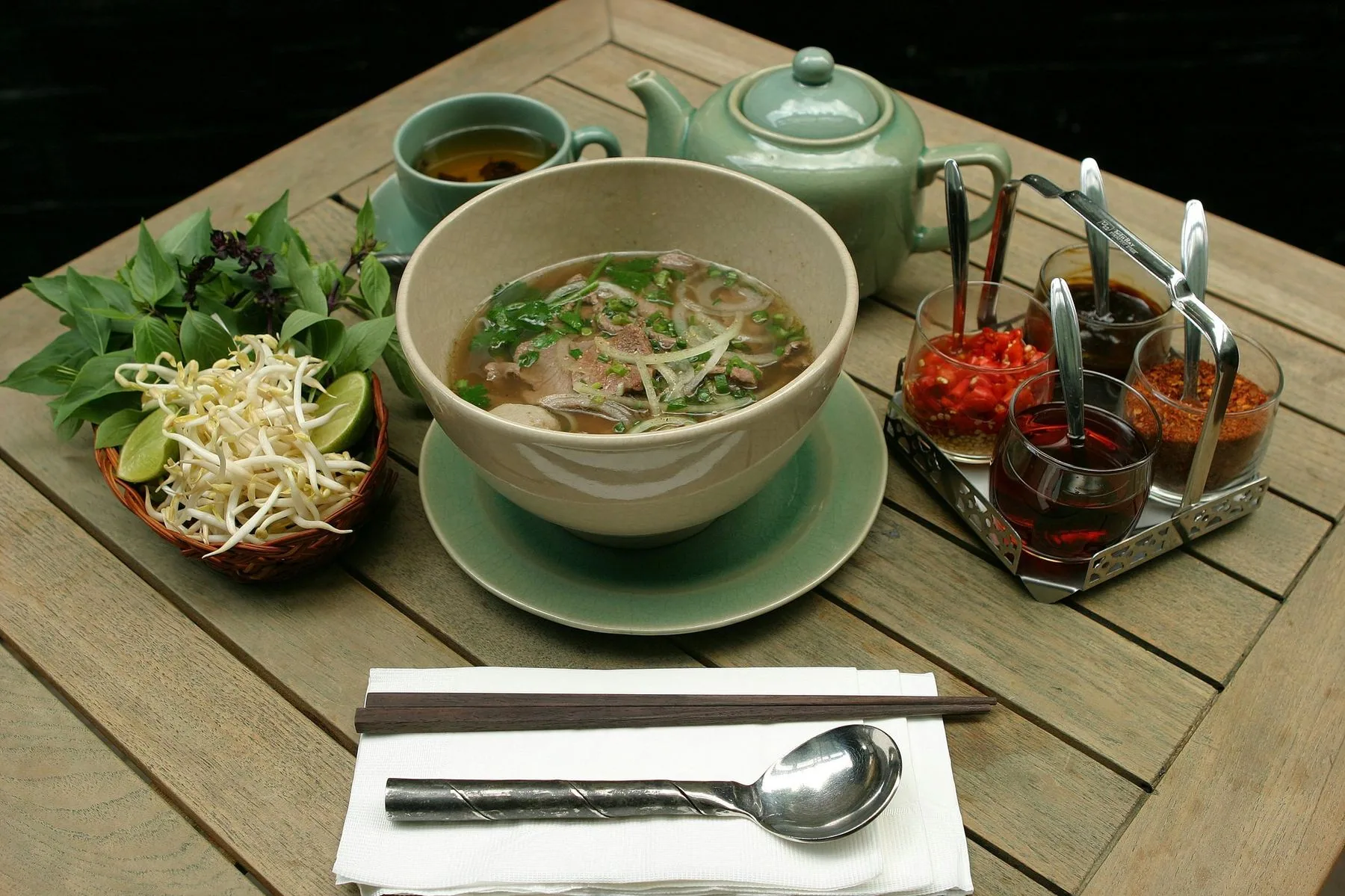
It is one of the eight Hoi An dishes that Faifo cooks at our beach resort at Hà My, and the one the town claims as its own. A bowl of cao lầu holds blanched bean sprouts, lettuce and herbs from Trà Quế, the herb village outside town, with the noodles, slices of xá xíu pork and something crisp on top. It is all dressed with a little sauce from the pork itself, just enough to keep it from being dry; according to the town's heritage centre, it holds less liquid than a mì Quảng or a phở.1
The crisp part used to be little fried pieces of pork fat; today it is often squares of the same noodle dough, fried. Rice crackers, chilli, lime and vinegar come on the side, to add as you like.1
What makes the dish is the noodle. It is dark yellow, elastic and firm to the bite, nothing like the soft rice noodle of a phở, and it keeps for a few days once made.1
How is the cao lầu noodle made?
It is a workshop job, and the town's heritage inventory sets out the steps. Lye goes into the dough: workshops once made it from wood ash, and today most of it is bought ready-made.1
- The rice is soaked for about three hours and ground.
- The paste is thickened over the fire for 15 to 20 minutes.
- It is steamed for 10 to 15 minutes, then kneaded and rolled out.
- It is cut into strips and steamed again, for about ten minutes.
By tradition, the water has to come from the Bá Lễ well and the ash from trees on Cù Lao Chàm, the islands off the coast.2 The well exists: it is square, about 8 m deep, and researchers date it to Cham times, around the 8th or 9th century.3 Workshops today work differently: the inventory records that the noodle is no longer made with Bá Lễ water or Cù Lao Chàm ash, and that the lye is bought from Taiwan or China.1 Vietnam's tourism authority agrees: restaurants today are unlikely to follow that purist recipe.4
The Bá Lễ well dates from Cham times, around the 8th or 9th century.
It is a craft kept by a few workshops. In 2013 the inventory counted three in town, making over 300 kg a day between them, and a single family doing every step by hand.1 Ten years later, Saigoneer visited a family workshop it described as one of only two households in the area still making fresh cao lầu the traditional way.5
Where does cao lầu come from?
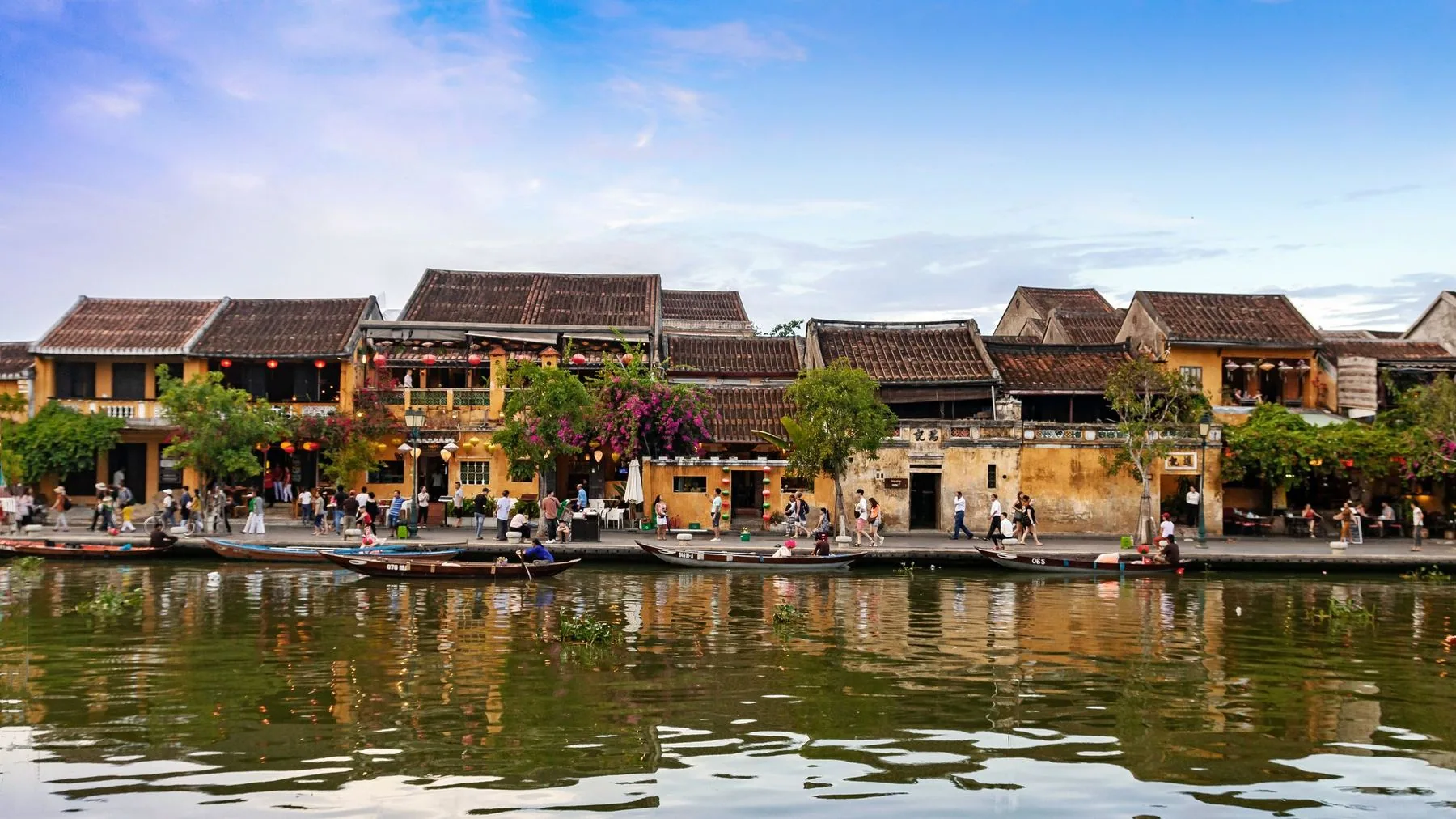
Its exact origin is not known. What is documented is that cao lầu was already common in Hoi An at least a hundred years ago, with shops known by name in the first half of the 20th century. It probably goes back further, to the port's golden years between the 17th and 19th centuries, though no document dates it.1
The Japanese theory rests on the way the noodle is rolled and steamed, which resembles udon; the inventory says more evidence is needed before calling the dish Japanese. As for the Chinese theory, Hoi An's own Chinese community says the dish is not theirs. The inventory settles on a dish made from Vietnamese, Chinese and Japanese habits together.1
The name has its legend too. You will read that cao lầu means “high floor” because it was eaten upstairs. The meaning is right, but the inventory rejects the explanation: most cao lầu shops in Hoi An were at street level. The word first meant a storeyed house, then an eating house; a dictionary of 1895-96 already glossed it as the kind of place where the Chinese sold cakes and food, and an early 20th-century engraving by Henri Oger is captioned “Xực cao lầu”, eating cao lầu.1
How is cao lầu different from mì Quảng?
The difference is often said to be the broth, but both take little of it: the MICHELIN Guide describes mì Quảng with very little broth,6 and the inventory says cao lầu takes even less than mì Quảng or phở.1 The clearer differences lie in the noodle, the meat and the origin.
| Cao lầu | Mì Quảng | |
|---|---|---|
| The noodle | Rice and lye; dark yellow and firm1 | Rice noodle, originally coloured with turmeric6 |
| The liquid | A little sauce from the xá xíu pork1 | Very little broth6 |
| The meat | Only xá xíu pork7 | Shrimp, fish, eel, pork, chicken, frog, jellyfish6 |
| Where it belongs | The town of Hoi An1 | The countryside of Quảng Nam16 |
Then there is the bite: both the inventory and a VnExpress piece from 2006 describe the cao lầu noodle as harder and chewier than mì Quảng's.17 And phở is something else again, a soft noodle served in its broth.
Where do you eat cao lầu in Hoi An?
In town, in shops at street level, which is where it has been sold for a century.1 It is rarely found outside the city,4 and where it is, the noodle has travelled: in 2012 VnExpress reported restaurants in Ho Chi Minh City flying it in from Hoi An.2 The heritage centre notes it has reached France and Australia too, cooked differently.1 So the noodle is only made in Hoi An, even though the dish is cooked elsewhere too.
From Hà My, the old town is twelve minutes inland by car, so a bowl at lunch fits in any day in town. If you are still deciding whether to sleep in the old town or by the sea, we have weighed the two.
Can you eat cao lầu at the hotel?
Yes. Faifo, beside the main pool, is open from 06:30 to 22:00, and cao lầu is one of the eight dishes of Hoi An on its menu: roast pork, cao lầu noodle, spring onion, crisp cracker and local herbs. Beside it are the town's chicken rice, phở with beef or chicken, fresh rolls with Trà Quế herbs and bánh mì.
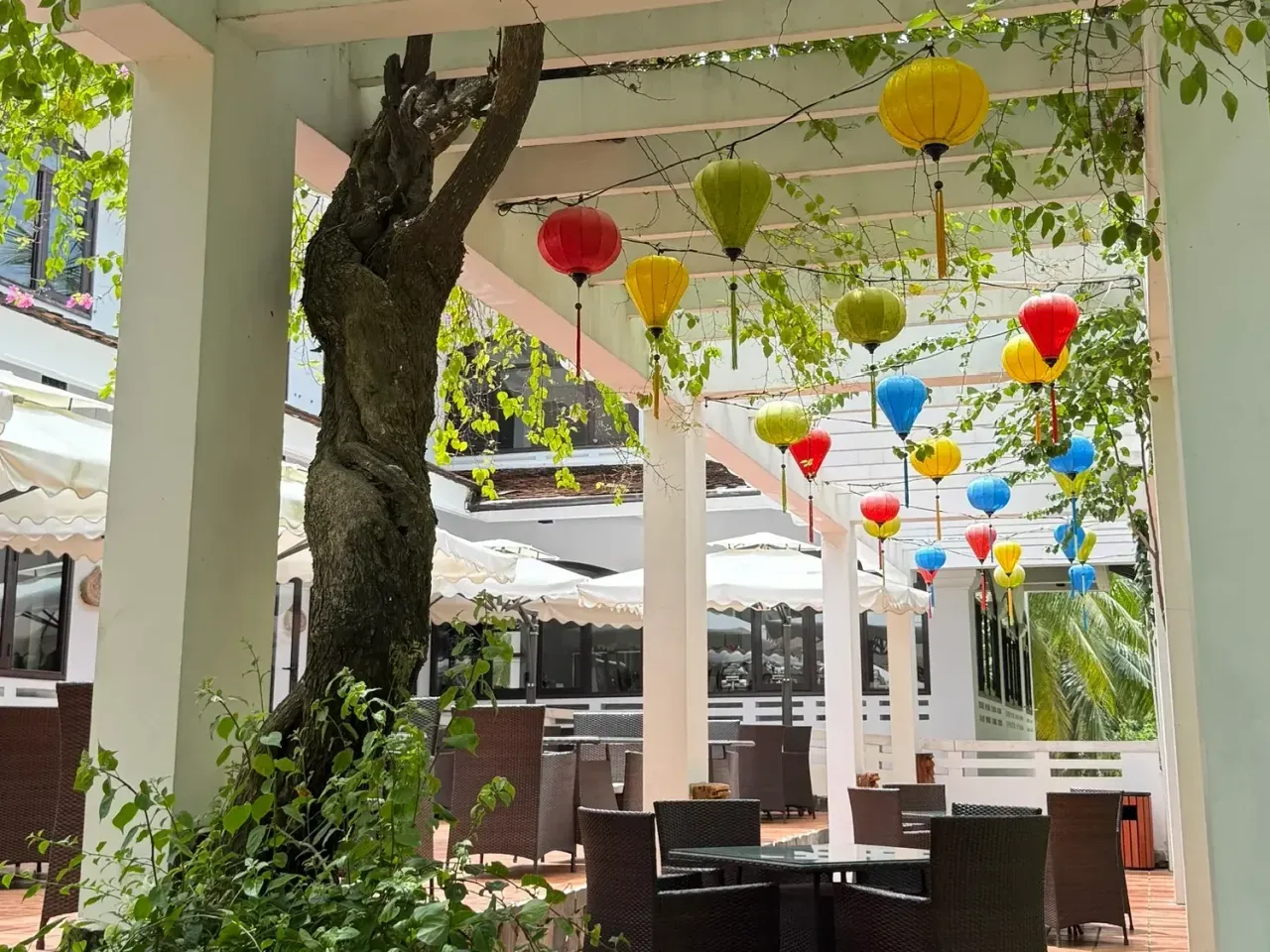
For a whole evening of Vietnamese food, Hoi An Night is a tasting menu at Faifo from 18:00 to 21:00, for hotel guests, from two people, booked a day ahead. It is also a good plan for a wet evening, one of several in our piece on the rainy months in Hoi An.
Can you learn to cook Hoi An's dishes?
The noodle is a workshop craft, as the steps above show. Some of the town's other dishes you can cook yourself: the cooking class in our Garden Kitchen runs from 11:30 to 13:30, with local Hoi An dishes cooked with the chef. It is for hotel guests, from two people, booked a day ahead; ask at reception which dishes it covers.
Frequently asked questions
Is cao lầu a soup?
No. It takes only a little sauce, just enough to keep it from being dry, over the noodles, pork, herbs and something crisp.
Is cao lầu still made with water from the Bá Lễ well?
Not according to Hoi An's heritage inventory of 2013: the well water and the Cù Lao Chàm ash are the tradition, and the lye is now bought from Taiwan or China.
Is cao lầu Japanese?
Not proven. The noodle is rolled and steamed in a way that resembles udon, but the heritage inventory says more evidence is needed and describes a mix of Vietnamese, Chinese and Japanese habits.
Can you eat cao lầu outside Hoi An?
Rarely. In 2012 VnExpress reported restaurants in Ho Chi Minh City flying the noodle in from Hoi An, the only place it is made.
Where can you eat cao lầu at MONEA Le Belhamy?
At Faifo, the restaurant beside the main pool, open from 06:30 to 22:00. It is on the menu with seven other dishes of Hoi An.
Sources
- Hoi An heritage centre (Hoi An City People's Committee): intangible heritage inventory sheet, “The craft of making cao lầu”, 2013. The steps to make the noodle, the bowl and its sauce, the tradition of Bá Lễ water and Cù Lao Chàm ash, the lye used today, the three workshops of 2013, the documented history, the origin theories and the name. (consulted )
- VnExpress: “Đặc sản cao lầu Hội An”, 3 March 2012. The traditional rule of Bá Lễ well water and Cù Lao Chàm ash, and the noodle flown from Hoi An to Ho Chi Minh City. (consulted )
- Báo Pháp Luật Việt Nam: “Giếng cổ Hội An”, 8 January 2011. The Bá Lễ well: Cham period, around the 8th-9th century, square and about 8 m deep. (consulted )
- Vietnam National Authority of Tourism (vietnam.travel): “4 Must-Try Dishes in Hoi An”. That restaurants are unlikely to keep the purist's recipe, and that cao lầu is rarely found outside the city. (consulted )
- Saigoneer: “Meet the Hội An family making cao lầu noodles from scratch”, 21 November 2023. A family workshop described as one of only two households in the area still making fresh cao lầu the traditional way. (consulted )
- MICHELIN Guide: “What is mi Quang”, 2 April 2025. Mì Quảng: very little broth, turmeric-coloured noodles, the range of meats and seafood, and its name from Quảng Nam. (consulted )
- VnExpress: “Đúng điệu cao lầu”, 11 November 2006. Cao lầu takes only xá xíu pork, and its noodle is harder and chewier than mì Quảng's. (consulted )